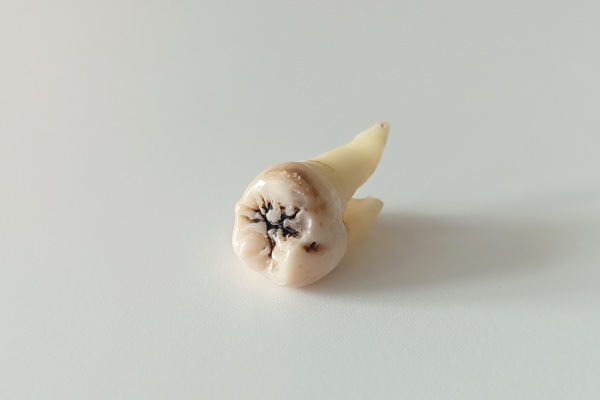
Ask an Emergency Dentist: What To Do After a Sports Injury or Dental Trauma

When a sports-related collision or fall occurs, an emergency dentist helps protect teeth, gums, and the jawbone from lasting harm. Dental trauma often looks minor at first, yet hidden cracks or nerve injuries may develop quickly. Acting fast supports comfort now and better outcomes later. Knowing what first steps to take can make all the difference between saving a tooth and losing one.
Steps to take right after a sports injury
Start by checking for serious signs such as heavy bleeding, trouble breathing, or a suspected jaw fracture. If any of these occur, emergency medical care is the priority. A general or family dentist can help with mouth injuries that do not have those red flags. In these non-life-threatening cases, rinse gently with clean water to remove blood and debris, then apply a cold compress to reduce swelling. Contact these emergency dentists immediately so the office can guide timing and prepare for care.
What to do with a chipped or broken tooth
If a tooth chips or breaks, patients should gather any pieces that they can find and keep them moist. A clean container with milk, saline, or saliva works well for transport and helps preserve the fragment for evaluation. Further, patients should avoid chewing on the injured side and avoid too-hot or too-cold foods that can trigger sensitivity. A quick assessment allows the emergency dentist to detect deeper fractures and restore the tooth before damage spreads.
How to handle a knocked-out tooth
A knocked-out permanent tooth can happen to anyone, and speed matters. Hold the tooth only by the crown, never by the root, and rinse it briefly with water if it is dirty, without scrubbing. If possible, place it back into the socket right away and bite gently on clean gauze to hold it there. If replanting is not possible, store the tooth in milk or saliva and seek care within about 30 minutes, because faster replantation improves success.
How an emergency dentist treats dental trauma
During the visit, the general or family dentist performs a focused exam and may take X-rays to detect root fractures, bone injuries, or tooth displacement. These emergency dentists then explain the findings and recommend care that matches the type of trauma. Treatment can include bonding a chip, placing a crown, repositioning a tooth, or starting root canal therapy when the nerve is affected. Soft-tissue cuts may also require cleaning or sutures. The dentist may prescribe antibiotics when the risk of infection is high.
Protecting healing after initial treatment
Follow the care instructions closely, since healing continues for weeks after trauma. A soft diet limits pressure on injured teeth, and careful brushing keeps bacteria from building up around sensitive gum tissue. Further, wearing mouthguards on the field or court reduces the risk of repeat injury and protects any restorations. Routine follow-ups allow the general or family dentist to confirm that the tooth stays stable and healthy.
Get in touch with an emergency dentist
Sports injuries and dental trauma require calm, practical action and fast professional support. Quick first aid, proper storage of a tooth or fragment, and timely care from an emergency dentist improve the chances of saving natural teeth. Are you experiencing a non-life-threatening dental emergency? Contact Simple Smiles for an emergency visit.
Request an appointment here: https://www.thesimplesmiles.com or call Simple Smiles at (423) 888-0204 for an appointment in our Johnson City office.
Check out what others are saying about our dental services on Yelp: Emergency Dentist in Johnson City, TN.
Recent Posts
An emergency dentist can treat toothaches in a variety of ways if the pain becomes intolerable or the symptoms present a risk of worsening and causing other oral health issues if not treated promptly. However, for minor toothaches that can wait until a more convenient time to be scheduled, emergency dentists may provide useful tips…
Infection and swelling mean that you have a major problem in your mouth that needs emergency dentistry, so you should seek a dentist right away. Dental emergencies can change the course of your life when it comes to your face and smile. If you prioritize seeing a dentist right away, it can save you tons…
In general dentistry, cracked teeth are, unfortunately, a common problem that requires attention. Thankfully, modern-day dentistry has created a few different options that can solve the problem of a cracked tooth. In most situations, a general dentist can salvage a cracked tooth; however, it is important to know that there are a few factors that…
In general dentistry, dental fillings are one of the most common restorative procedures performed. They are used to address the damage done to teeth, most often as a result of cavities. Continue reading to find out more!Below is a quick overview of dental fillings in general dentistry, including how they are placed and when they…