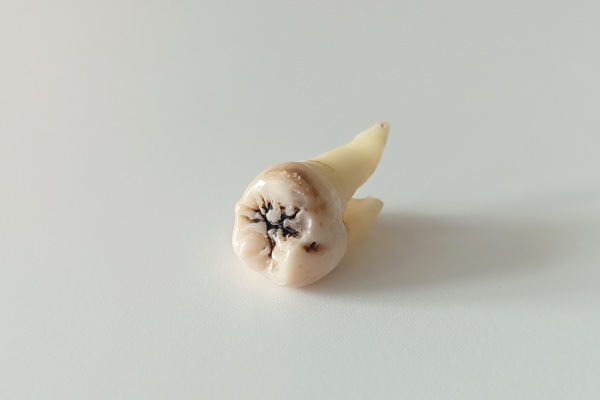
Dos and Don’ts of Tooth Extraction Aftercare
After a , proper aftercare is critical for healing and preventing complications. While the procedure is common, recovery depends on the guidelines you follow in the first few days. The following guide outlines essential dos and don'ts that can influence your long-term recovery after a tooth extraction.
The dos of tooth extraction aftercare
Follow rest and recovery guidelines
Adequate rest supports the body's healing process. Physical exertion can increase blood pressure and may disturb the blood clot at the extraction site. Fortunately, limiting strenuous activity for the first 24 to 48 hours helps maintain stability in the affected area.
Use gauze to control bleeding
After a tooth extraction, the dental team will commonly place gauze over the procedure site. This gentle pressure encourages clot formation and helps stop bleeding. That said, the patient may need to replace the gauze until the bleeding decreases.
Apply cold compresses for swelling
Swelling around the cheek and jaw is common during the first day following the procedure. The patient can use a cold compress on the outside of the face in short intervals to reduce inflammation and provide relief. However, they should only apply the cold compress for up to 15 minutes at a time.
Maintain oral hygiene
Cleanliness remains essential during recovery. Light brushing around the surrounding teeth helps prevent bacteria buildup, while avoiding direct contact with the extraction area protects the healing tissue. The dentist may also recommend a mild saltwater rinse in the first 48 hours after the procedure to support healing.
Choose soft and nutritious foods
Soft foods minimize irritation to the surgical area. Options such as yogurt, mashed potatoes, smoothies, scrambled eggs, and soup provide nourishment without stressing the healing soft tissues. Adequate hydration also contributes to the patient's recovery.
The don'ts of tooth extraction aftercare
Do not disturb the blood clot
The clot formed after a tooth extraction is essential for proper healing. Actions that create suction in the mouth, including drinking a beverage through a straw, may dislodge this clot. Once displaced, it slows healing and increases the patient's discomfort.
Do not smoke or use other tobacco and nicotine products
Tobacco and nicotine exposure introduce harmful chemicals that slow healing and raise the risk of postoperative infection. This includes smoking cigarettes, using vapes, or chewing. The action of smoking also creates suction that may remove the protective clot from the extraction site, leading to dry socket.
Do not eat hard or crunchy foods
Hard foods such as chips, nuts, and raw vegetables may irritate the wound. Small food particles can also become trapped in the socket, potentially causing infection or delayed healing. Patients should stick to a soft foods diet until otherwise instructed by their dental team.
Do not ignore persistent pain or bleeding
Some discomfort is normal after a tooth extraction. However, severe pain, prolonged bleeding, or swelling that worsens over time may signal complications. Professional evaluation ensures appropriate treatment and prevents further issues.
Call our Johnson City office for more aftercare tips
Navigating the first few days following a tooth extraction requires consistency and patience. Do you have questions or concerns about your recovery from tooth extraction? Reach out to the Simple Smiles team for more healing tips or to schedule a follow-up evaluation.
Request an appointment here: https://www.thesimplesmiles.com or call Simple Smiles at (423) 888-0204 for an appointment in our Johnson City office.
Check out what others are saying about our dental services on Yelp: .
Recent Posts
Curious about when tooth extractions are needed? Read on to learn more. Tooth extraction is when the tooth is removed completely from its socket. Tooth extraction is hardly a procedure anyone looks forward to, but the majority of the procedures are fast and painless. So do not be alarmed if your dentist starts talking about…
If you are in need of a tooth extraction, you may be wondering how long it will take to heal from this procedure. Let's discuss the various reasons for having a tooth extracted, the extraction process itself, and the healing process.There are a variety of reasons why someone would need a tooth extraction. A tooth…
Simple extraction and surgical extraction are the two kinds of tooth extraction. Read on to learn more about this type of dental procedure. Simple tooth extraction is done on a tooth above the gums and does not involve splitting the tooth into sections or using surgical procedures.If a tooth has suffered damage due to an…
When a sports-related collision or fall occurs, an emergency dentist helps protect teeth, gums, and the jawbone from lasting harm. Dental trauma often looks minor at first, yet hidden cracks or nerve injuries may develop quickly. Acting fast supports comfort now and better outcomes later. Knowing what first steps to take can make all the…